Vista Family Tech

Smart home safety and automation in Singapore

Quieter Household Risk, Less Daily Effort

A stove left on, a door left unlocked, a hidden leak or air-conditioning running in an empty room can become a daily worry. Vista Family Tech plans practical automation for HDB homes, so useful alerts and routines happen in the background.

Keep it in the background.

Every setup is planned with manual controls in mind. You can still use your switches, keys and appliances as usual.

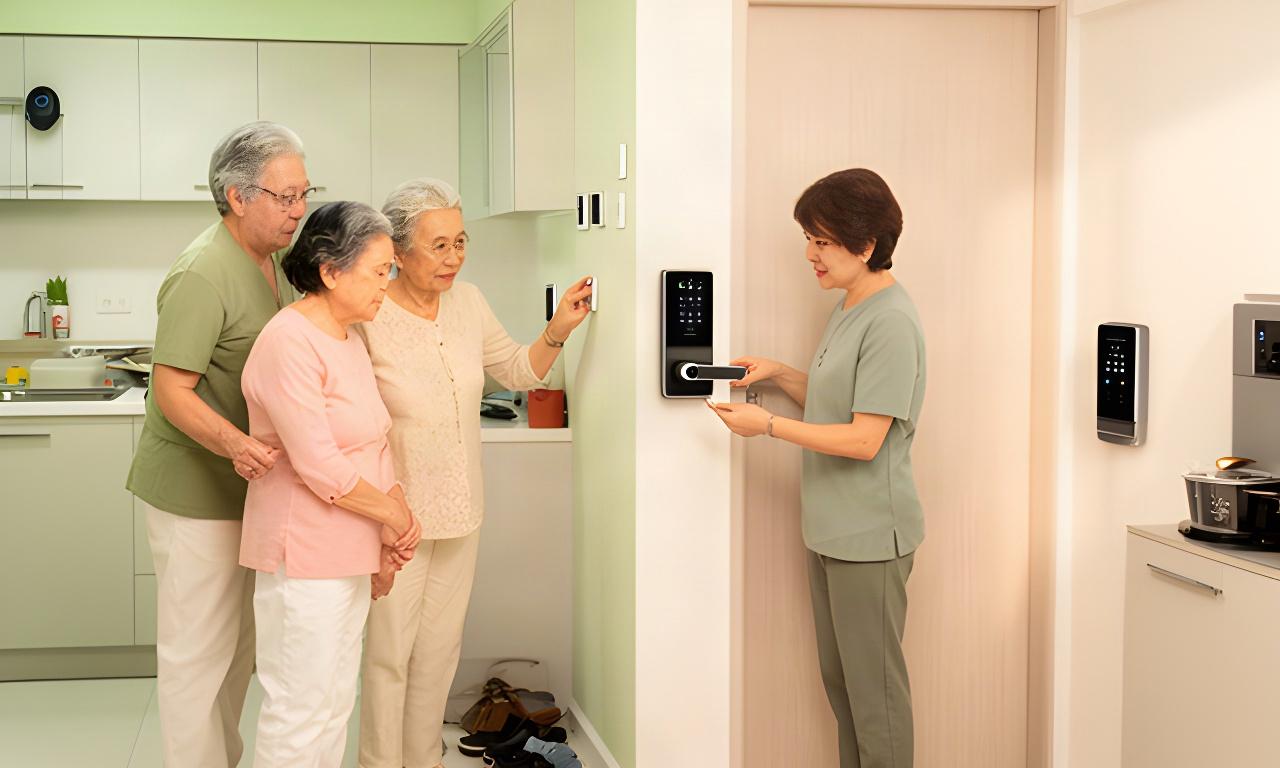
Singapore family in a bright HDB flat checking a smart door lock and kitchen controls beside the entrance

Example automation points for a family flat

Designed around real HDB layouts and household routines.
Alerts can be tuned to keep routine noise down.
Manual override stays part of the plan.

Entry and family access

Entrances, Locks and Child-Safe Access

HDB smart locks can give each household member a suitable way in, with alerts that help a family know when someone arrives. Access should fit your household.

Family codes and arrival alerts

Set individual access codes where supported, then choose which entry events should reach family members. An arrival alert can confirm a child has come home without turning the system into a supervision tool.

Separate access for helpers and relatives

Temporary or scheduled access can suit a visiting relative or household helper. The exact options depend on the lock model and how your household shares access.

Keys, batteries and entry planning

Keep a clear plan for battery warnings and the lock's mechanical key or emergency power method. Confirm door compatibility before choosing a model.

Kitchen and appliance routines

Kitchen Monitoring and Appliance Scheduling

Useful notifications help a household notice specific events. They support good routines; they do not replace attention when cooking or using appliances.

Useful alerts stay selective.

Stove monitoring for elderly households

Choose suitable sensors or appliance controls to flag a configured kitchen event, especially when an older family member lives independently or cooks alone.

  • Review the cooker and its power source.
  • Set alerts for meaningful changes.
  • Keep normal cooking checks in place.

Schedules for everyday appliances

Use suitable smart controls to schedule compatible loads, such as a water heater, around the times your household needs them.

  • Check appliance and socket ratings first.
  • Set schedules around actual use.
  • Retain direct manual control.

Notifications with a clear purpose

Plan which events need a prompt and which can stay quiet. That helps families avoid a phone full of routine alerts.

  • Choose who receives each alert.
  • Review notification timing.
  • Adjust settings as routines change.

Kitchen sensors and notifications support household awareness. They do not replace smoke alarms, fire-safety equipment, safe cooking practice or emergency services.

Lighting, air and comfort

Smart Lighting, Air Quality and Comfort

Simple routines can make night-time movement easier and help families manage comfort across a multi-room flat. Comfort should take one step.

Example home preset
Daytime comfort Room lighting and cooling follow your chosen schedule.

Use a voice command or wall switch to make a change whenever you need to.

  • Low-level night lighting

    Motion-triggered lighting along a bedroom-to-bathroom route can help an older family member move around at night without switching on every ceiling light.

  • Air-quality awareness

    An air quality monitor can flag changing conditions in enclosed rooms and prompt the household to consider ventilation.

  • Multi-room air-conditioning control

    Schedules and room zones can help match cooling to when each part of the flat is in use. Manual controls remain available.

  • One-step family presets

    Set a suitable voice command or switch routine for the household's usual lighting and comfort settings.

Early warning for water points

Water-Leak Detection and Early Warning

A water leak detection setup for an HDB flat starts with likely trouble spots: under the kitchen sink, by the washing machine and near bathroom fittings. Know where to look first.

A simple response when an alert arrives

  1. 1Check the named sensor location and look for visible water.
  2. 2If safe, stop the relevant water supply and protect nearby electrical items.
  3. 3Contact a qualified plumber to find and repair the source.

Sensors provide early awareness. They do not repair plumbing or replace insurance. Battery checks and replacement intervals depend on the sensor model.

A practical starting point

A Tailored Home Assessment for Your Flat

We review the places where a small automation may save effort or give your family earlier notice. Start with what matters.

Tell us what your home needs

Share a few details and the area you want to address first.

We use these details to respond to your assessment enquiry.

A sensible first step

Start With the Highest-Value Automation for Your Home

Begin with the entrance, kitchen, lighting route or water point that matters most to your family. Add other routines later if they make daily life easier.

Begin with one sensible change.

+65 8078 4166 [email protected] Pasir Panjang Drive 1, Singapore 118797

Share your preferred contact method when you enquire. Any recommended setup can be expanded over time.